The Best Budget Audio Gear I Tested in 2026
There is a dirty secret in the audio world: the price-to-performance curve isn't a line, it's a cliff. Below about $50, every dollar buys enormous improvement. Between $50 and $200, the curve flattens. Above $300, you're mostly buying materials, branding, and the feeling of having bought something better. This is the gear I actually tested over the last year — not from spec sheets, but from hours of listening — and the picks that prove the budget tier is where the smart money lives.
How I test
A review is only as good as its protocol. For every product here I used the same routine: a week of daily listening on three sources (phone dongle, laptop, and a decent desktop DAC), a fixed test playlist spanning acoustic, electronic, and heavily-produced pop, and — the part most reviewers skip — a blind A/B against a known reference at the same volume. Volume matching matters more than any cable or "burn-in" ritual; the human ear judges louder as better, and most audio opinions are really volume opinions in disguise.
IEMs under $50: the insane tier
In-ear monitors are the single best value in consumer audio, and the budget tier has become brutally competitive. Two standouts survived my year:
- Truthear Hola (≈$25) — the default recommendation for a reason. Neutral-bright tuning with genuinely good bass extension, and a comfortable shell that disappears after ten minutes. It does nothing badly, which is a compliment at this price.
- Moondrop Chu II (≈$20) — slightly warmer, slightly more fun, with better accessories out of the box. Where the Hola is the honest reference, the Chu II is the one you'll actually reach for with bass-heavy music.
The honest caveat: at $20–25, cable quality and fit consistency vary unit to unit. Buy from somewhere with returns. The sound quality, though, is not a compromise — it's 90% of what a $200 IEM does, and the last 10% costs 8x.
Over-ears under $100: the headphone that embarrasses $300 ones
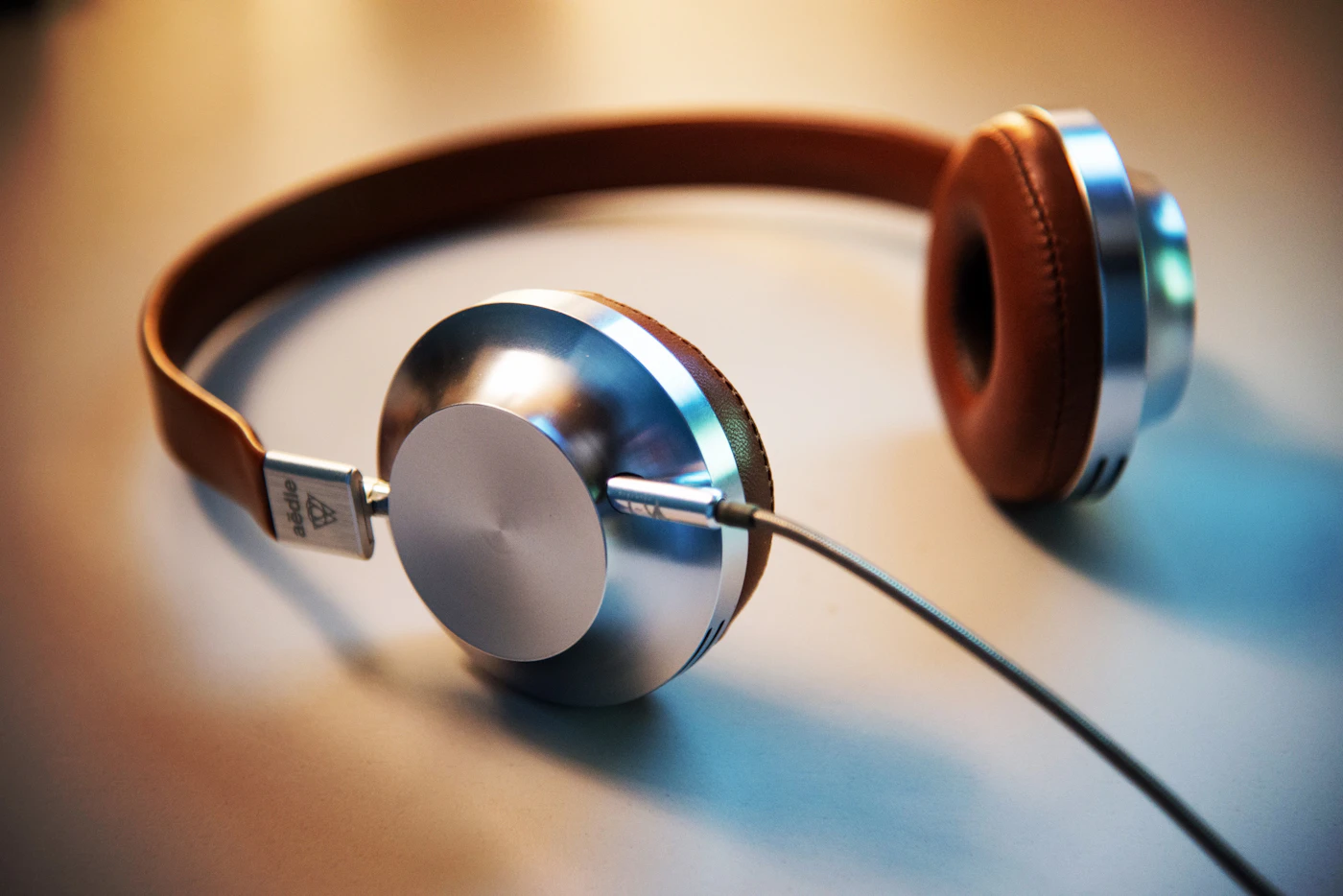
The headline of my year: Fiio JT1 (≈$99). A 50mm dynamic driver, comfortable clamp, detachable cable, and a tuning curve that's closer to neutral than headphones three times the price. On the A/B test against a well-known $300 open-back, the JT1 lost on soundstage width and lost slightly on treble air — and won on bass presence and overall listenability. That is not a $99 headphone losing to a $300 one; that's a $99 headphone competing with a $300 one, which is the whole point.
The one sacrifice is build: plastic yokes and a basic headband. Treat it gently and it's the best value in headphones. Treat it like a $300 headphone and it'll teach you why the expensive ones cost more.
DAC dongles: the cheapest upgrade in audio
The most underrated upgrade in all of audio is a $30–40 USB-C DAC dongle. Phone headphone jacks (when they exist) are often mediocre; laptop outputs are worse. A dongle with a real DAC chip fixes the most common problem in budget listening — hiss, thin bass, and low max volume — for the price of a dinner.
- Moondrop Dawn Pro (≈$40) — dual DAC, clean output, balanced cable support. My daily driver for the year.
- Fiio KA1 (≈$30) — the budget pick: single chip, slightly warm tilt, zero noise. If you only buy one thing from this article, it's a tie between this and the JT1.
The test that matters: plug the dongle in, A/B against the laptop jack at matched volume, and the difference is immediate on any half-decent IEM. It's the rare upgrade that improves every pair of headphones you own.
ANC over-ears: where budget means "good enough"
Active noise cancellation is the one category where budget genuinely means compromise. The sub-$150 ANC tier cancels constant noise (airplane hum, office HVAC) well and does nothing for voices — which is fine, because voices shouldn't be fully cancelled. The pick: the Soundcore Space One (≈$100), which cancels droning noise within striking distance of flagships, lasts 40+ hours, and — the real test — is comfortable enough to forget you're wearing it. It's not a Sony XM6. It costs a fifth as much and does 80% of the job, which is the entire budget philosophy in one product.
The diminishing-returns curve, quantified
After a year of listening, here is the curve in the only honest unit — how much of "endgame" sound you get per dollar:
| Tier | Spend | % of endgame sound | Notes |
|---|---|---|---|
| Budget IEM | $20–50 | ~85% | The value peak. Buy here first. |
| Budget over-ear | $80–120 | ~88% | The JT1 lives here. |
| Mid-fi | $200–400 | ~93% | Real gains: soundstage, comfort, build. |
| High-end | $800+ | ~96% | Materials and branding, mostly. |
| TOTL | $2000+ | ~97% | The last 1% costs $1200. |
Read that table literally: going from $50 to $2000 buys you roughly 12% more "endgame." The curve is brutal, and knowing it is worth more than the gear itself — it tells you exactly where your money stops mattering.
The picks, ranked
- Fiio JT1 ($99) — the single best purchase of the year.
- Moondrop Dawn Pro ($40) — upgrades everything you already own.
- Truthear Hola ($25) — the default IEM, full stop.
- Soundcore Space One ($100) — the ANC pick when you need one.
- Moondrop Chu II ($20) — the fun pick.
The philosophy
Budget audio isn't about being cheap; it's about being right about the curve. The best sound per dollar lives between $20 and $120, and the gear above that line is mostly for people who value the object as much as the sound. If you're here for the sound — and you are, because you read this far — buy the JT1, add a dongle, and spend the remaining $800 on music to listen to. That's the upgrade that actually changes everything.